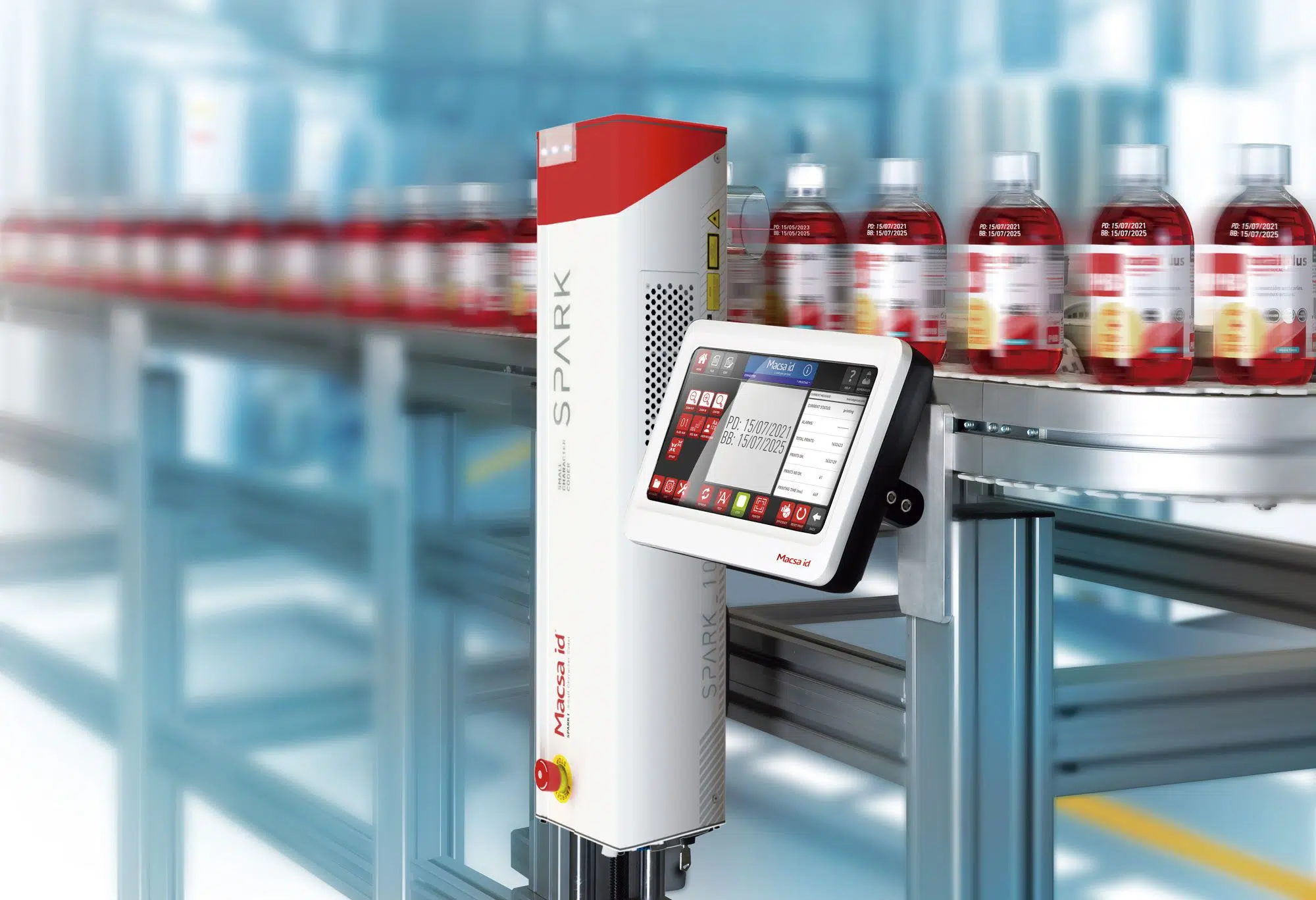
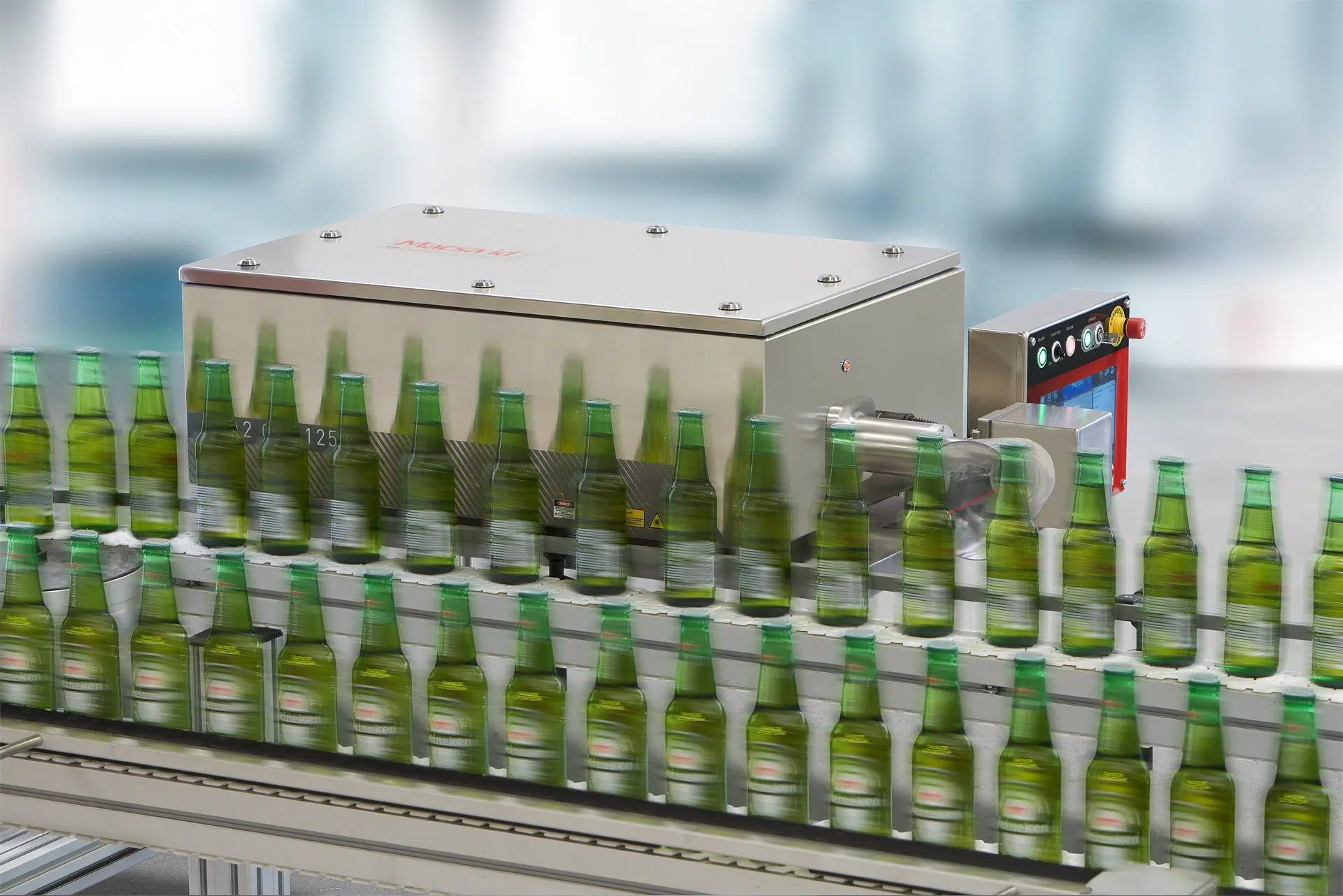
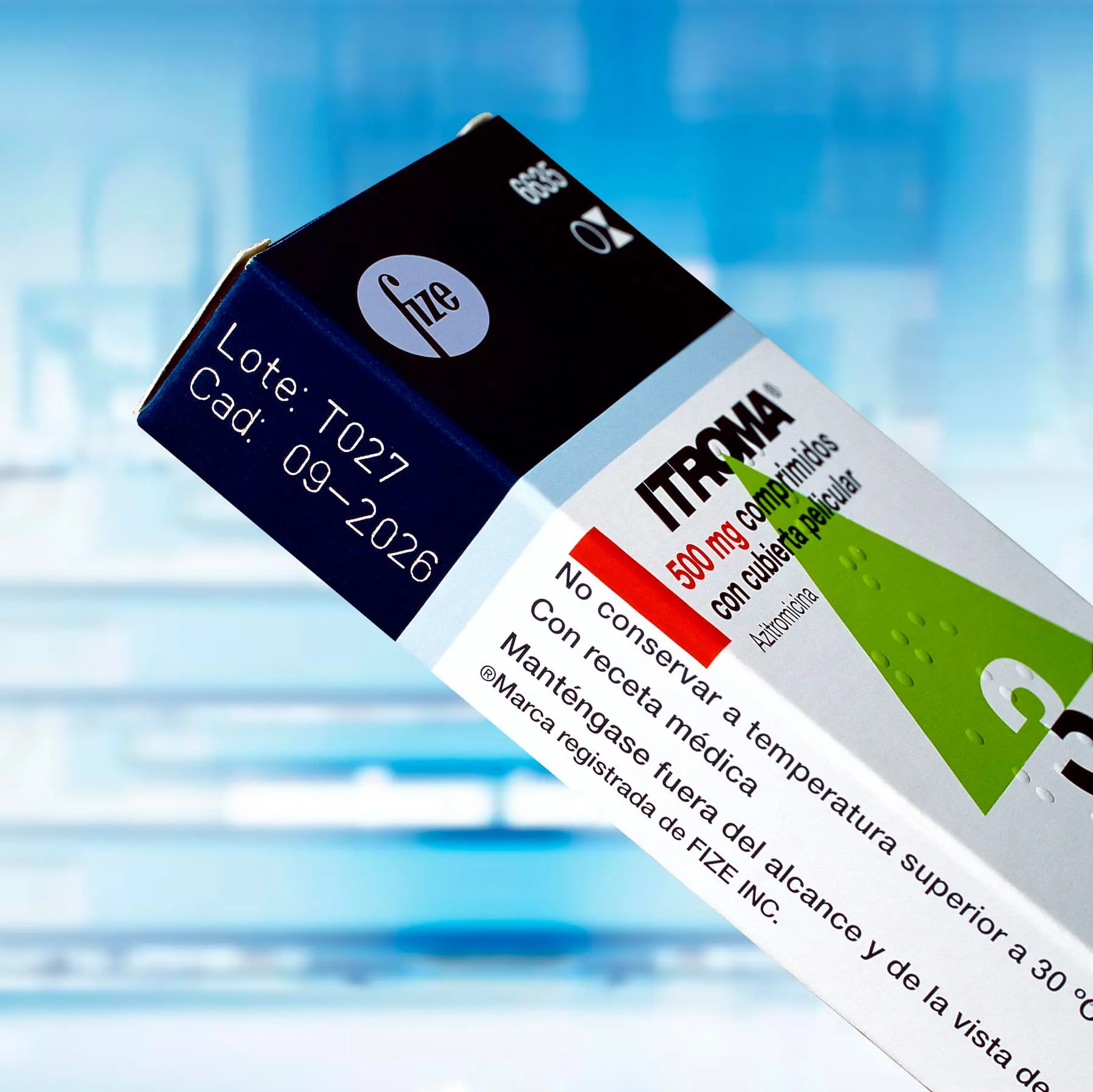
CO₂ laser technology is commonly used to mark compatible cardboard and paperboard packaging surfaces. It can apply variable information during packing, dispatch or secondary packaging operations.
Typical applications include:
Laser marking creates the code directly on the packaging surface. This can reduce the inks, ribbons and related maintenance associated with variable-data printing.
It may also reduce the use of labels when they are only required to add a variable code. Labels that are needed for shipping, brand information or regulatory content may still be required.
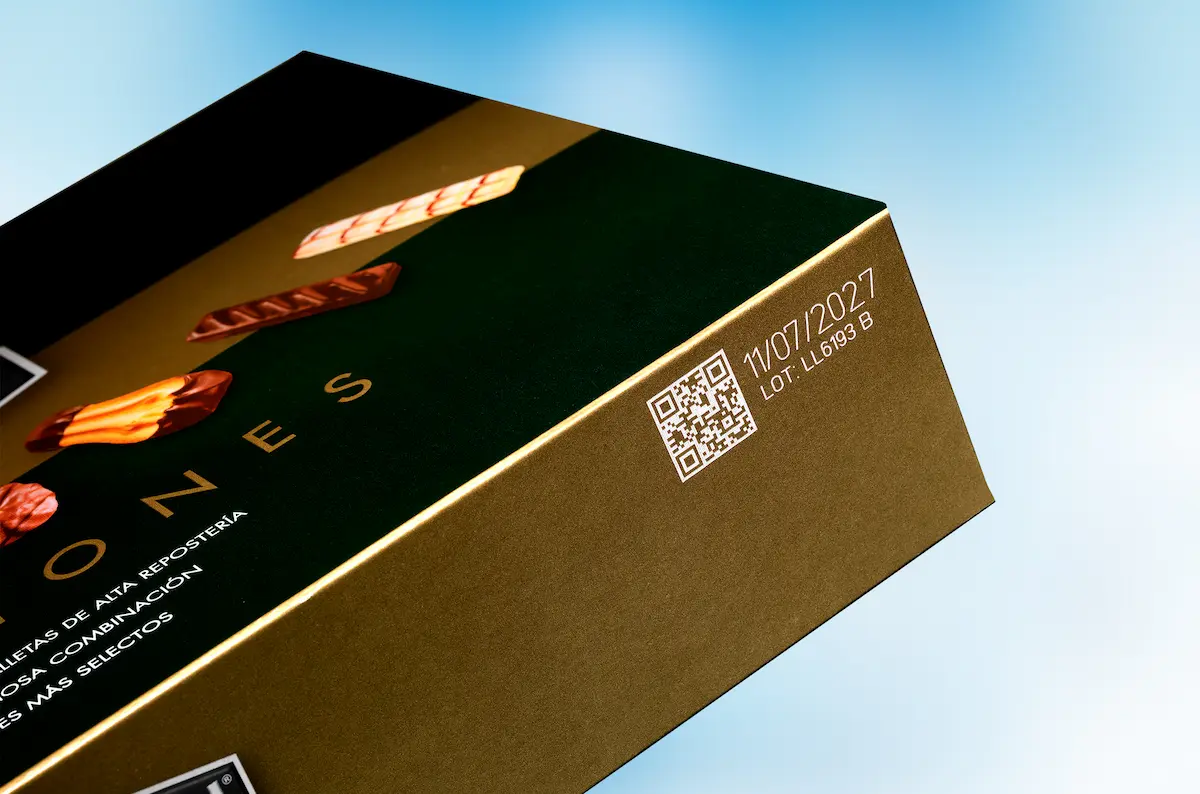
CO₂ laser systems can mark text, graphics and 2D codes directly onto cardboard packaging. The code size, location, contrast and reading conditions should be defined to ensure reliable scanning throughout the supply chain.
When a GS1 2D code is required, its content and quality criteria should follow the relevant GS1 barcode standards.
Laser coders can be integrated into automated packaging lines to code boxes as they move through production or dispatch. The configuration can be adapted to the available space, conveyor speed, product handling and required code position.
Not all cardboard reacts in the same way to laser energy. Brown corrugated board, recycled cardboard, kraft paperboard, coated surfaces and pre-printed cartons can produce different contrast and surface effects.
A test on the actual packaging helps confirm:
Cardboard laser coding is used across packaging, logistics and manufacturing applications, including:
The SPA2 C range is designed for packaging applications such as boxes, bottles and blister packs. Its CO₂ laser technology can be configured for standard, dusty or washdown production environments.

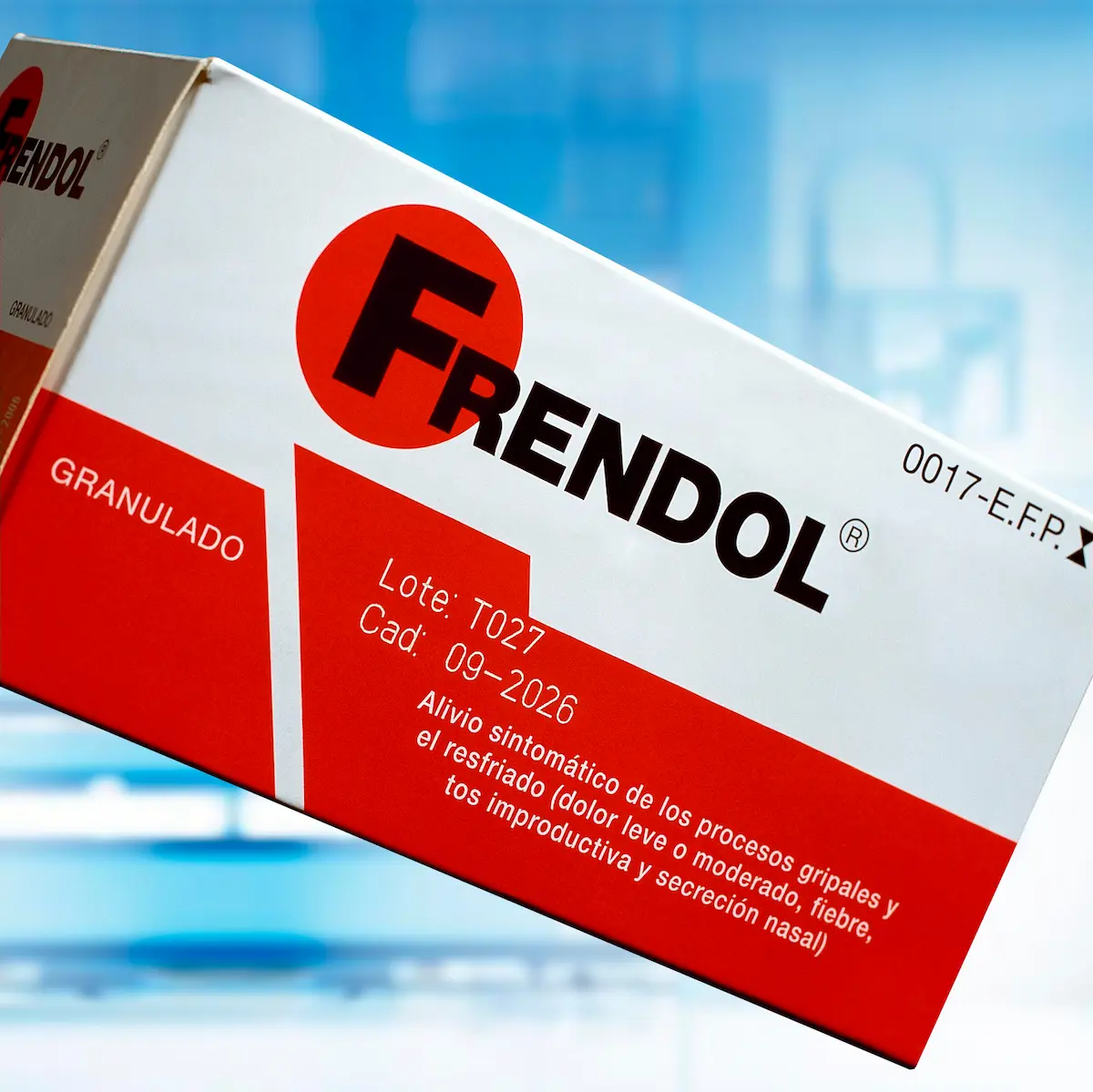

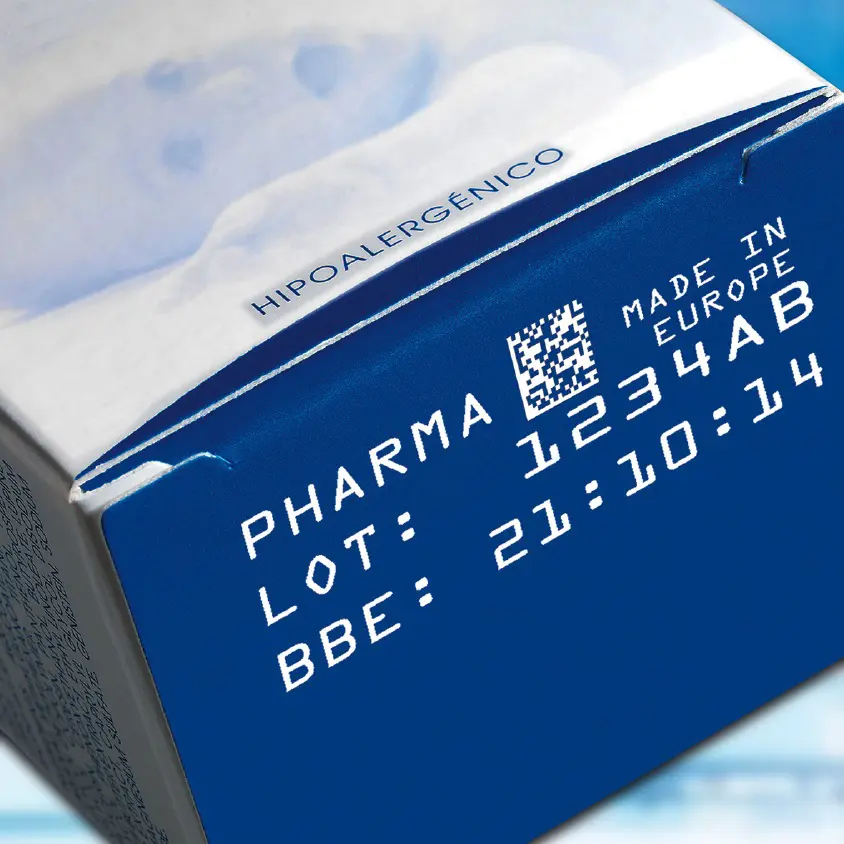

Send us a representative packaging sample, including printed or coated versions where relevant, together with the code content, target position and line requirements. We will help you assess the appropriate laser process and validate code quality.