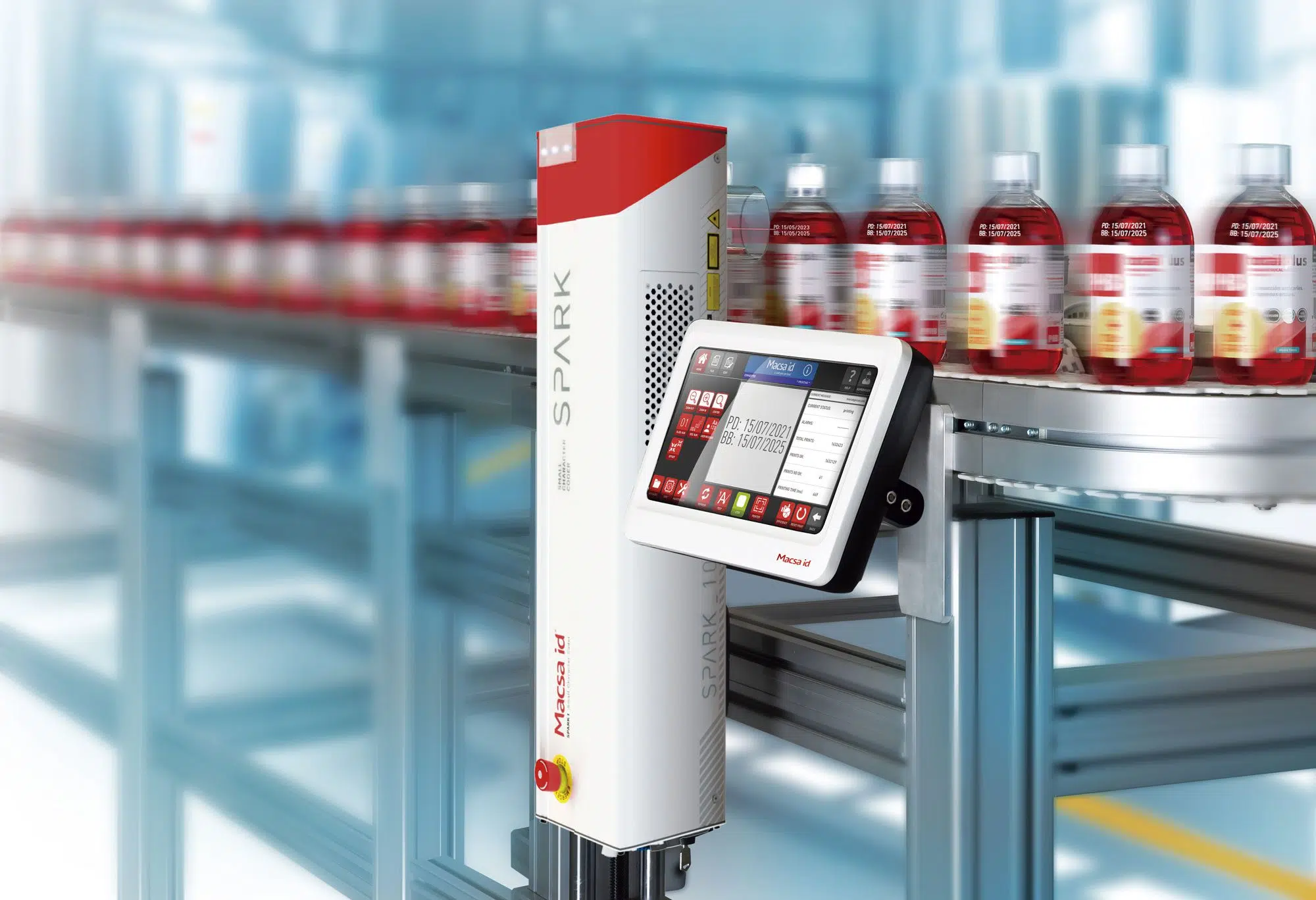
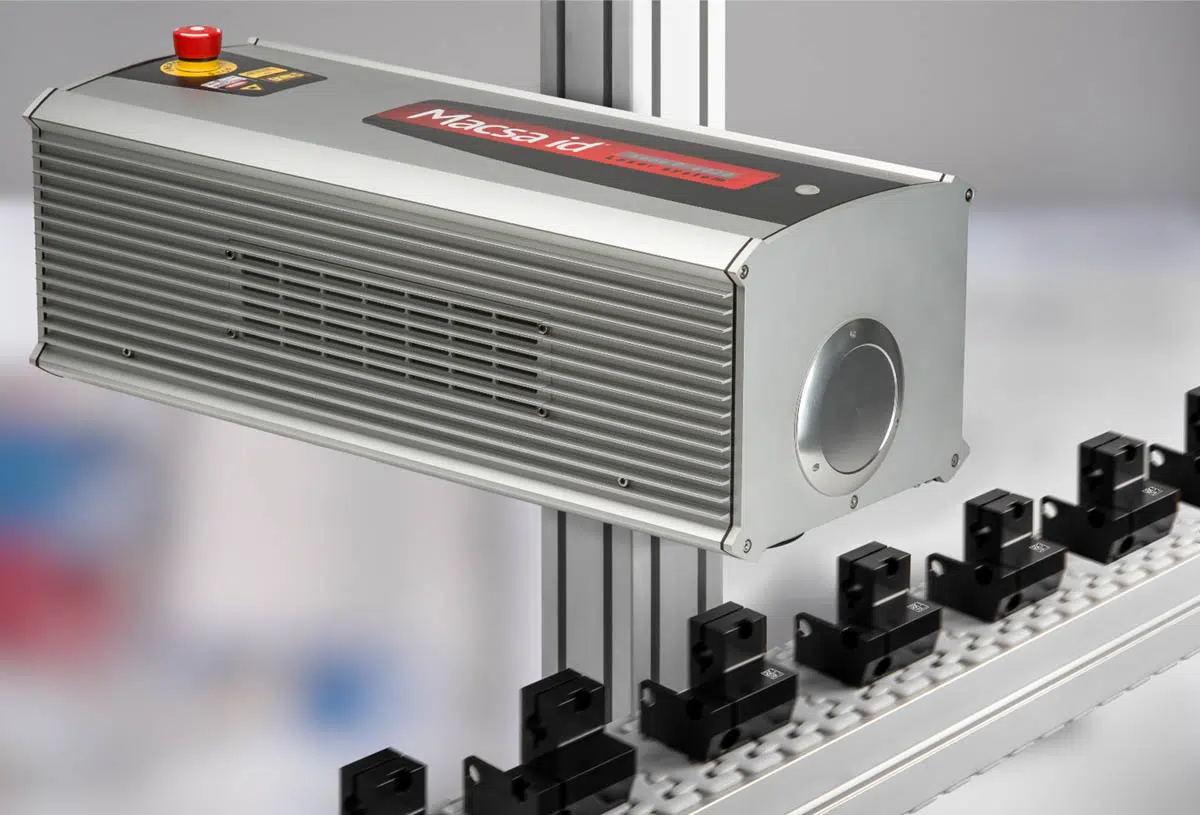
CO₂ laser technology is a common solution for coding glass bottles, jars and other packaging formats at production speed. It creates the mark through a controlled thermal interaction with the glass surface.
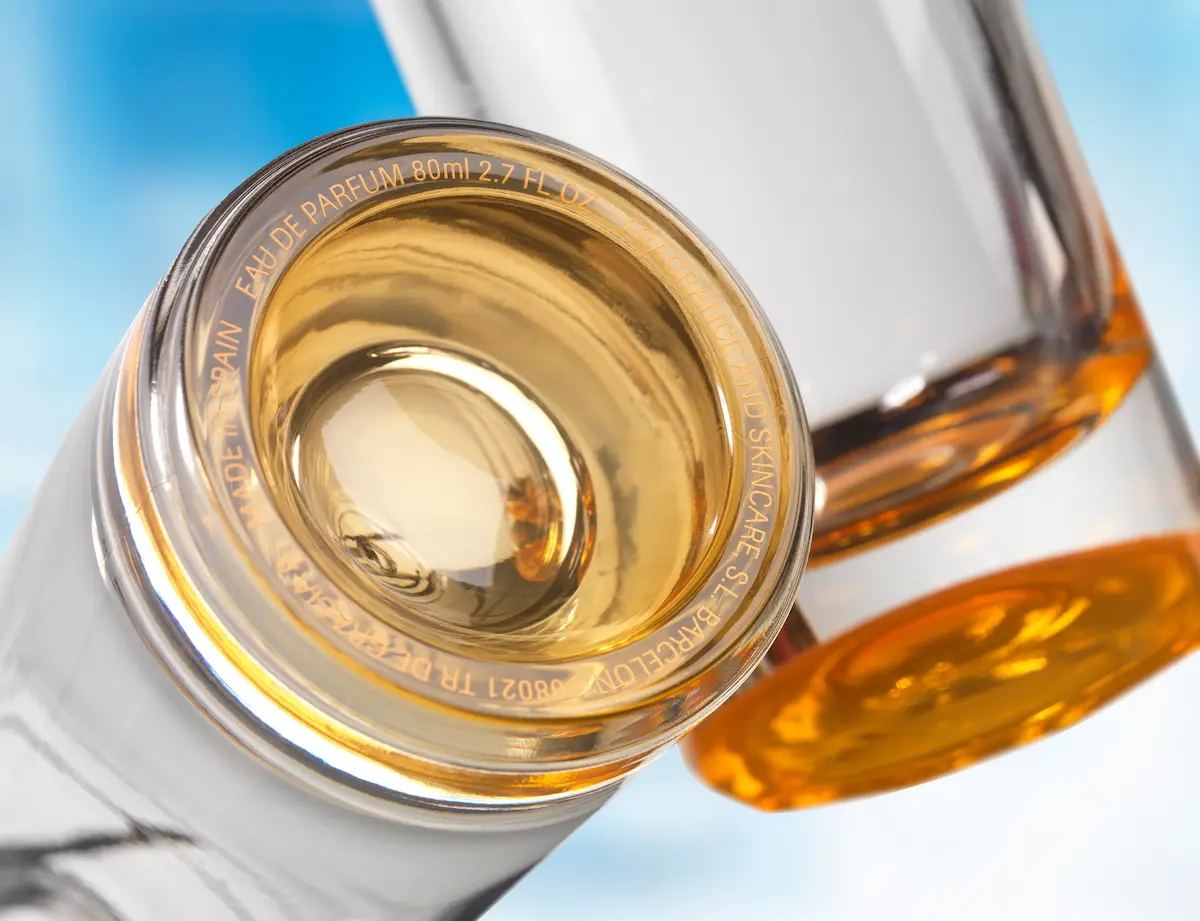
Depending on the material and parameters, the result may have a light or frosted appearance. The correct laser configuration helps balance mark contrast, visual finish, code readability and cycle time.
UV laser technology can be considered for applications that require fine detail, a more homogeneous visual finish or precise marking on decorative glass.
It may be particularly relevant for static applications, premium cosmetic packaging or glass products where mark definition and appearance are critical. The final choice between CO₂ and UV depends on the glass, code content, required finish and production speed.
Not all glass reacts in the same way to laser energy. Soda-lime glass, borosilicate glass, tempered glass, tinted glass, frosted finishes and decorated containers can require different parameters.
A sample test should assess:
Laser systems can apply variable information directly to glass packaging and components. To obtain a reliable 2D code, the cell size, contrast, placement and reading conditions must be defined for the real production environment.
For GS1 2D codes, the data structure and symbol requirements should follow the relevant GS1 barcode standards.
Glass laser marking systems can be integrated into filling, labelling and packaging lines for continuous coding. For static components, smaller runs or detailed applications, the laser can be configured in a controlled marking workstation.
The final solution depends on product handling, available space, speed, code position, safety requirements and data connection needs.

Send us a representative bottle, vial or glass component together with the required code, mark location and production requirements. We will help assess the most appropriate laser process and validate the visual result, code readability and cycle time.