Industrial wood laser marking enables manufacturers to identify timber, boards, pallets, crates, barrels and wooden components directly on the material.
Macsa id develops CO₂ laser solutions for product references, batch codes, production data, quality information, logos and traceability marks. Each application is assessed according to the wood type, grain, density, moisture, treatment, coating and required marking result.
Laser coding can apply fixed or variable information directly onto wood products during processing, packaging or dispatch.
Typical applications include:
For wood packaging subject to ISPM 15 requirements, laser technology can apply the required mark once the authorised treatment and marking process has been defined. The laser itself does not certify treatment or regulatory compliance.
The laser marks directly onto the wood surface, removing the need for ink, labels, cartridges and solvents. This can simplify consumable handling and reduce the risk of smudged or detached identification.
With the right laser configuration, wood laser marking can create legible text, logos and codes for applications where information must remain visible during handling, storage or distribution.
Macsa id laser systems can be integrated into sawmills, woodworking equipment, packaging lines and other automated processes. They can also be configured in marking stations for static components, short runs or complex products.
CO₂ laser technology is widely used for marking organic and non-metallic materials such as wood. It can create controlled surface marks with the contrast and depth required for each industrial application.
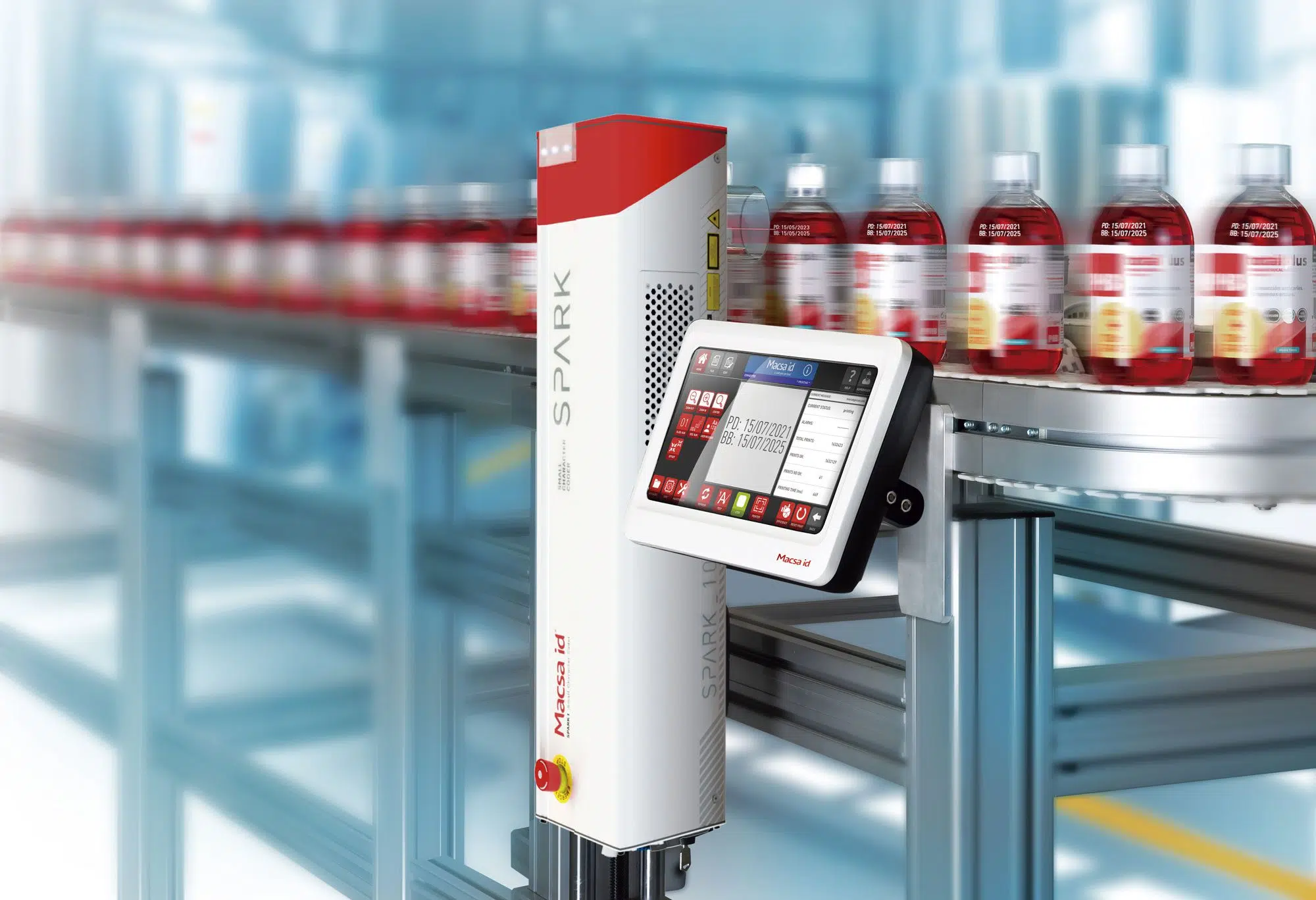
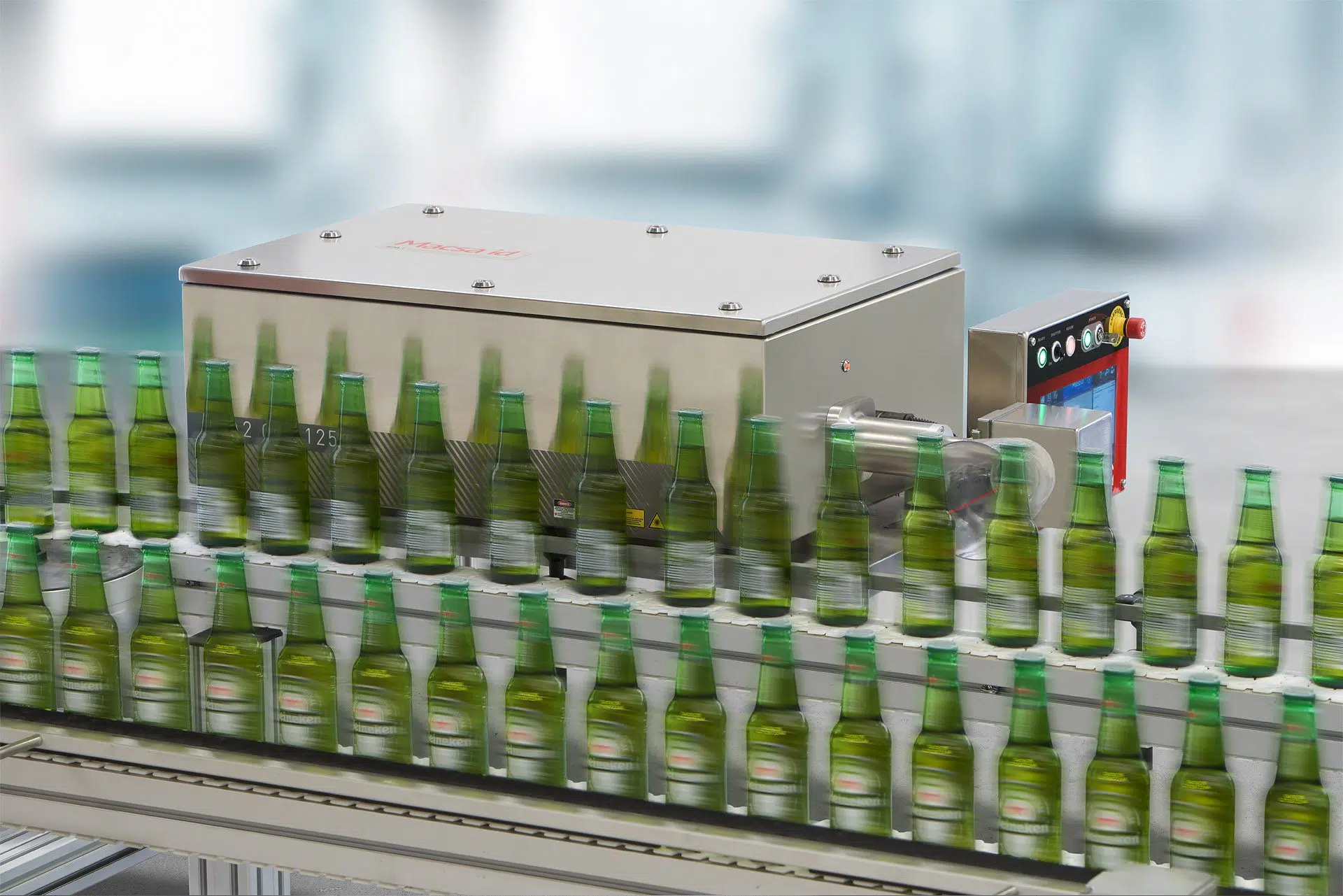
The SPARK CO₂ laser coder is suitable for selected in-line coding applications on wood packaging and products. For larger, static or semi-automatic applications, iLaserBox 1000 and iLaserBox 600 can provide a controlled marking environment.
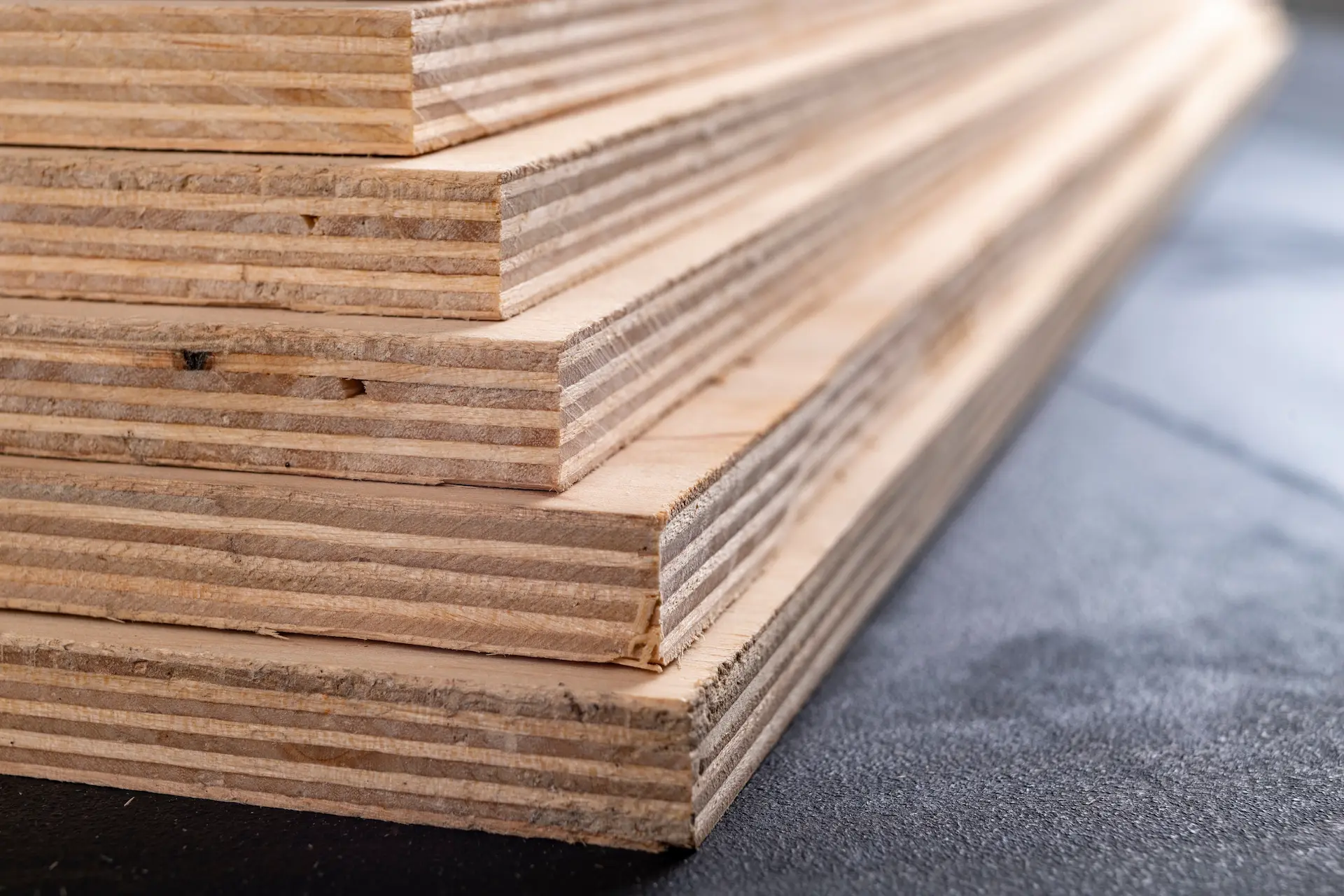
Wood is a variable material. Species, density, moisture, grain direction, knots, coatings, varnishes and treatments can all affect the contrast and appearance of the mark.
Softwood, hardwood, plywood, MDF and treated wood may require different settings. Dense woods such as oak can need a different configuration to achieve the required contrast and definition.
For this reason, a test on the real product is the best way to validate marking quality before implementation.
Laser marking can identify boards, beams, panels and other wood products with production references, quality information and traceability data. Discover our coding solutions for construction materials.
Wood packaging can be marked with logistics information, batch data, manufacturer references and other required identification. Where applicable, the marking format must follow the relevant authorised ISPM 15 process.
Laser marking is also suitable for barrels, furniture components, decorative panels and other products that require permanent branding or identification. See our applications for wooden barrels and oak wood marking.


No two wood products respond exactly the same.
Send us a sample of your timber, pallet, panel, barrel or component and tell us what you need to mark. We will assess the material, contrast, marking area and cycle time to recommend the most suitable laser solution.